



Home » Animal care » Cockatiel care
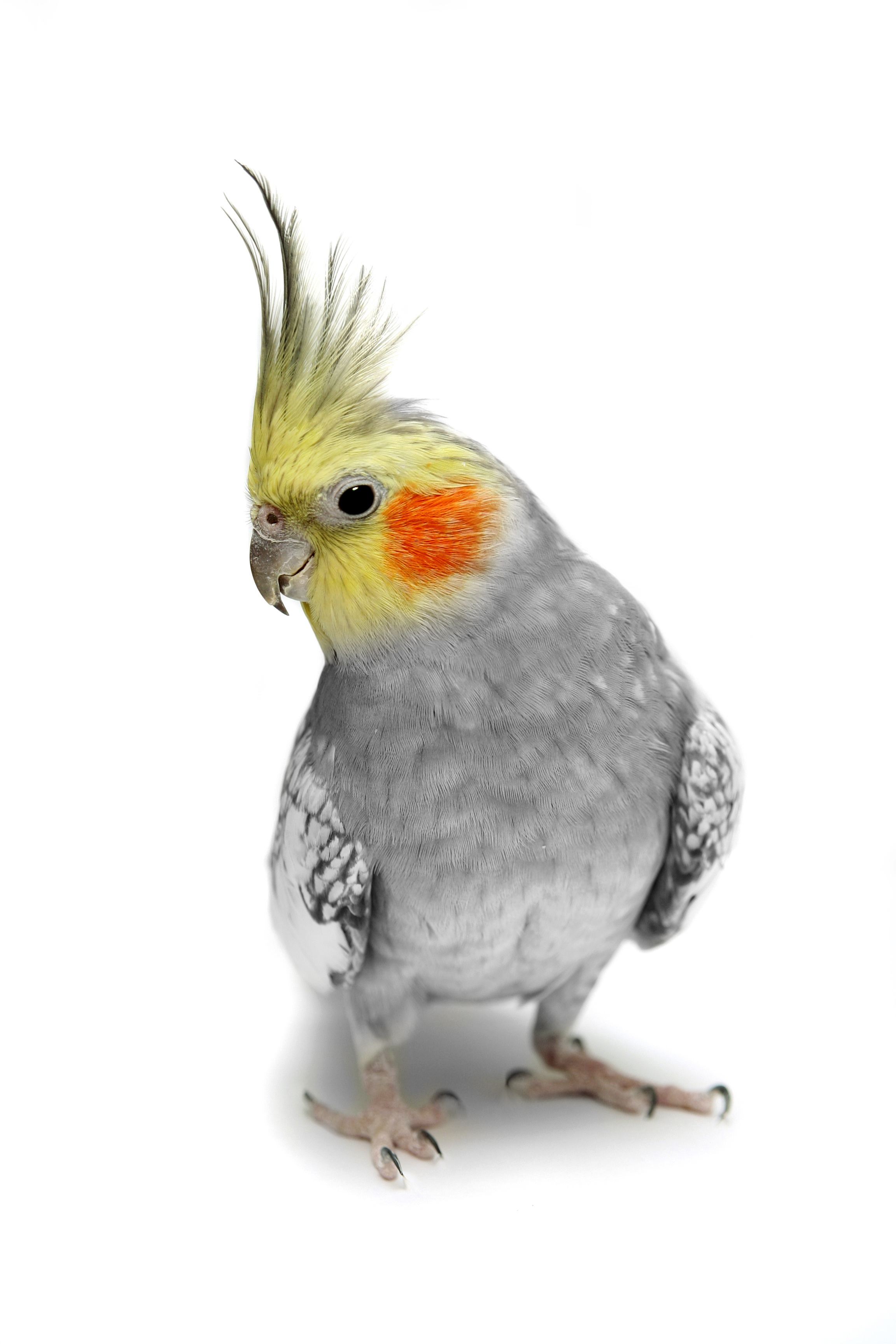
The cockatiel (Nymphicus hollandicus) is a small Australian parrot. Its crest, whistles and ground foraging are part of a behaviour pattern that needs space and company. This guide focuses on its particular needs, including selective seed eating, night frights and repeated egg laying, alongside everyday care.
Choose a spacious, preferably rectangular cage that allows full wing extension, turning and movement without damaging the tail. Check that the bird cannot put its head between the bars. Provide perches of different diameters without blocking movement or positioning food beneath them; avoid sandpaper covers.
Offer supervised daily flight and exercise in a prepared room: close doors and windows, mark glass, turn fans off and remove open containers of water. Keep dogs and cats outside. The cage provides a safe place when you cannot supervise.
Place the cage in a ventilated area away from the kitchen, smoke, sprays and cleaning fumes. Overheated non-stick coatings can release dangerous gases. Avoid direct sun without access to shelter and abrupt environmental changes.
Keep a quiet night routine without interruptions from television or lights. Some cockatiels flap suddenly when startled in darkness; a dim night light may help those individuals. If this happens, gently provide light, avoid chasing the bird and check for injuries or bleeding. Discuss repeated episodes with your vet.
A seed mix allows selective eating and is not a balanced diet on its own. Use a complete food formulated for cockatiels as the foundation of the feeding plan, alongside varied vegetables. Reserve seeds for a limited part of the ration or training. Adjust amounts to body condition, activity and life stage.
Provide clean water continuously and promptly remove fresh food before it spoils. Do not offer avocado, chocolate, alcohol or caffeine. Cockatiels remove seed hulls and do not need digestive gravel or grit. Calcium and vitamin supplements require assessment of the existing diet and individual needs.
Introduce new food gradually and verify that it is being swallowed: breaking a pellet does not prove adequate intake. Monitor weight with a gram scale at a comparable time and observe droppings.
Do not suddenly remove familiar food to force acceptance of something new. Some transitions take weeks or months and require an individual plan. If intake or weight falls, seek advice before further reducing the usual food. Empty hulls can make a bowl look full when little seed remains.
Provide daily social interaction and opportunities to explore and make choices. Living with another cockatiel requires compatibility and gradual introductions; do not assume they can share a cage immediately. A newly acquired bird needs a check-up and a separation period agreed with the vet.
Reward stepping onto a perch and entering a carrier. Use the cockatiel’s tendency to forage low down: provide a clean tray with small portions of its daily ration and safe paper to explore. Introduce simple toys gradually and remove frayed threads, sharp pieces or materials it swallows.
Replace cage paper daily and wash food and water bowls. Paper makes it easier to check the amount and appearance of droppings. Clean perches and surfaces before dirt accumulates, rinse and dry equipment thoroughly, and keep it separate from kitchen utensils. Wash your hands after cleaning or handling the bird.
Offer voluntary bathing in a shallow dish or gentle misting if accepted, without soap or perfume. Do not force soaking or use a hairdryer. Allow drying in a comfortably warm place without direct draughts.
Females can lay eggs without a male. Cockatiels are particularly prone to repeated clutches, which can deplete their reserves and cause calcium problems. Unless breeding is specifically planned, avoid nest boxes and nest-like hiding places, and restrict petting to the head and neck rather than stimulating the back or pelvis.
If eggs have already been laid, ask how to manage them: repeatedly removing eggs may encourage further laying. Management combines environment, diet and clinical assessment; adding calcium yourself is not a complete solution. Straining, weakness, an enlarged abdomen or sitting on the cage floor need prompt attention. Do not squeeze the abdomen or try to extract an egg.
Arrange a check-up after bringing the bird home and regular reviews thereafter. Keep records of weight, food actually eaten, sleep and behaviour changes. Tests and their frequency depend on the individual; do not use antibiotics or parasite treatments intended for other pets.
Open-beak breathing at rest, inability to perch, bleeding, a significant collision or fume exposure need urgent care. Reduced eating, weight loss, changed droppings or prolonged fluffed-up sleepiness also warrant early advice. Do not wait until the bird becomes unresponsive or force food or water into a weakened bird.
See also our general companion bird guide and care by species index. To arrange assessment of your cockatiel at Aracavia in Málaga, call 951 23 93 09.
Information – Appointments – Emergencies


CITA PREVIA